Alicante renovation budgets: how to reserve contingency without losing control of extras

Why it matters now
Extras do not arise only because a project is complex. They often arise because pricing was requested without measurements, enough photos, defined quality levels or a method for deciding changes. In an Alicante renovation, reserving contingency is not inflating the budget: it separates what is known from what must be confirmed once work opens up.
The useful outcome for an owner or company is not following a headline. It is turning it into a sequence of decisions: clarify the goal, verify the building and compare line items before appointment. Start with full home renovation and use renovation project to set a scope that can be measured.
For context, connect this decision with Alicante community budgeting to avoid construction extras. Good renovations are not solved with an isolated product: they need to check starting condition, community rules, regulation, budget, maintenance and who owns each decision.
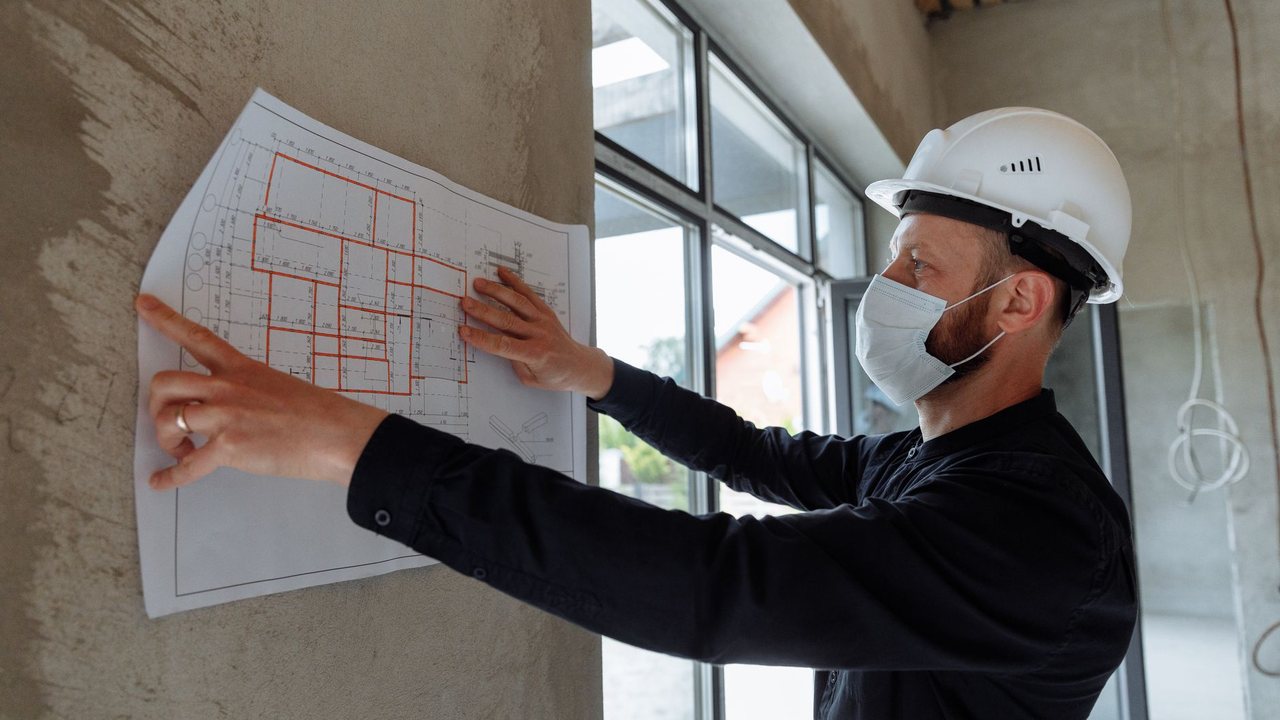
Impact in Alicante and the Costa Blanca
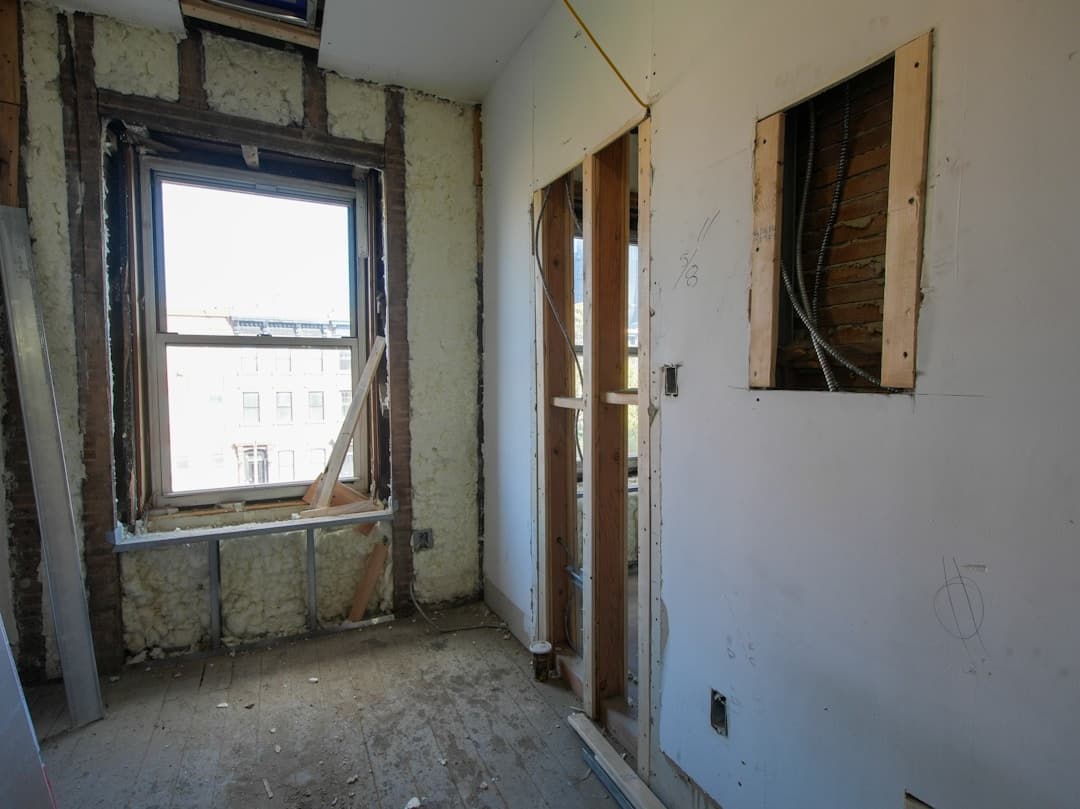
Older flats, damp, undocumented services and second-home renovations increase the need for a serious pre-start survey. The clearer the starting information, the easier it is to compare trades and defend a decision to a family, partner or community.
In Alicante Centro, Playa San Juan, El Campello, Torrevieja, Benidorm, Denia, Javea or Altea, the same intervention changes with building type, exposure, home use and community rules. That is why a pre-start visit should document what photographs do not show: services, level changes, routes, roofs, openings and shared elements.
Where several line items are involved, also compare kitchen renovation and bathroom renovation. The goal is to distinguish a desirable upgrade from a technical condition that can block the works or create extras later.
What to review before requesting quotes
Build a base budget with a closed scope, then a risk list with an amount or valuation criterion, and finally a written process: who identifies the change, who prices it, who approves it and when the programme is updated.
Ask each quote to explain measurements, materials, labour, temporary works, programme, exclusions and responsibility for each line item. A total without this information can serve as an indication, but not as a basis for deciding a renovation or comparing suppliers.
Keep dated photographs, drawings where available, community conversations and approved decisions. That traceability makes maintenance easier, reduces arguments over changes and lets another professional understand the home if the works are delivered in phases. Before committing, confirm the written scope reflects the survey, supplier information and any applicable community condition.
Practical checklist
Use this list before requesting quotes or approving an intervention.
- 1Prepare starting informationBrief
Provide drawings where available, photos, measurements, objectives, desired finishes, community restrictions and working hours.
- 2Request measurements and exclusionsComparison
Each quote should state quantities, materials, labour, protection, waste and what is not included.
- 3Create a visible reserveRisk
Do not mix contingency with optional finishes. Label risks such as hidden services, damp, structure or client changes.
- 4Approve changes in writingControl
Record description, cost, programme impact, responsible person and a photo before carrying out work that changes the scope.

Frequently asked questions
What is contingency in a renovation?
Can a lump-sum quote be compared with a line-item quote?
Who should approve an extra?


You may also like
Show All Articles
Renovating a bathroom in Alicante to avoid leaks, odours and damp in a second home
Before choosing tiles, solve ventilation, falls, waterproofing, plumbing and maintenance access in an Alicante bathroom.
Subscribe to our newsletter
And get a weekly digest of projects, bidding tips, and key platform updates straight to your inbox.
Alicante's initially approved PGE: does it already change your renovation permit?
The PGE has entered regional assessment, but a current renovation must still check the planning rules in force, detailed zoning and its specific permit.
Energy certificates in Alicante: what the 2026 technician register changes
From 23 July 2026 the assessor must be accredited before practising; owners should still check the survey, data, regional registration and fit with the property.

Heat-reflective white roof in Alicante: heat, leaks and budget
A white roof can reflect more solar radiation and renew waterproofing, but does not by itself correct falls, cracks, trapped moisture or insufficient insulation.

2026 income-tax deduction for energy renovation: certificates and invoices not to lose
An energy-renovation tax deduction is not decided when filing: it is prepared before work with certificates, invoices, payments and documented scope.
Renovating a bathroom in Alicante to avoid leaks, odours and damp in a second home
Before choosing tiles, solve ventilation, falls, waterproofing, plumbing and maintenance access in an Alicante bathroom.
Alicante's initially approved PGE: does it already change your renovation permit?
The PGE has entered regional assessment, but a current renovation must still check the planning rules in force, detailed zoning and its specific permit.
Energy certificates in Alicante: what the 2026 technician register changes
From 23 July 2026 the assessor must be accredited before practising; owners should still check the survey, data, regional registration and fit with the property.
Subscribe to our newsletter
And get a weekly digest of projects, bidding tips, and key platform updates straight to your inbox.
Heat-reflective white roof in Alicante: heat, leaks and budget
A white roof can reflect more solar radiation and renew waterproofing, but does not by itself correct falls, cracks, trapped moisture or insufficient insulation.
2026 income-tax deduction for energy renovation: certificates and invoices not to lose
An energy-renovation tax deduction is not decided when filing: it is prepared before work with certificates, invoices, payments and documented scope.
Renovating a bathroom in Alicante to avoid leaks, odours and damp in a second home
Before choosing tiles, solve ventilation, falls, waterproofing, plumbing and maintenance access in an Alicante bathroom.
Alicante's initially approved PGE: does it already change your renovation permit?
The PGE has entered regional assessment, but a current renovation must still check the planning rules in force, detailed zoning and its specific permit.
Subscribe to our newsletter
And get a weekly digest of projects, bidding tips, and key platform updates straight to your inbox.
Energy certificates in Alicante: what the 2026 technician register changes
From 23 July 2026 the assessor must be accredited before practising; owners should still check the survey, data, regional registration and fit with the property.
Heat-reflective white roof in Alicante: heat, leaks and budget
A white roof can reflect more solar radiation and renew waterproofing, but does not by itself correct falls, cracks, trapped moisture or insufficient insulation.
2026 income-tax deduction for energy renovation: certificates and invoices not to lose
An energy-renovation tax deduction is not decided when filing: it is prepared before work with certificates, invoices, payments and documented scope.