BIM and digital twins in 2026 renovation: what small contractors can use

Why this trend matters now
2026 AECO trends point to BIM connected with data, maintenance, assistants and digital twins. For an owner, the useful reading is not only the headline: it is whether to renovate before selling, buying, renting or requesting quotes. The decision has to connect market context, permits, efficiency and real project cost.
At Reformia we treat it as a decision route. First, confirm the economic goal; then separate technical work from cosmetic work; finally compare line items with guides such as renovation project and MEP engineering.
It also helps to read this trend alongside related coverage such as AI for renovation companies, because a profitable renovation rarely depends on one data point. It depends on district, starting condition, timing, regulation and exit strategy.
Before moving budget, write a simple hypothesis: what problem the renovation solves, which buyer or tenant will pay for it and what proof they will need to trust it. That hypothesis avoids spending on finishes that do not change the decision and makes quotes easier to compare.

Impact for owners and buyers
Even when the client does not ask for BIM, they benefit from less improvisation, better drawings and clearer services decisions. If the property is in Alicante Centro, Playa San Juan, El Campello, Torrevieja, Benidorm, Denia, Javea or Altea, the same headline can translate into different decisions. The works should answer the demand that actually reaches that area.
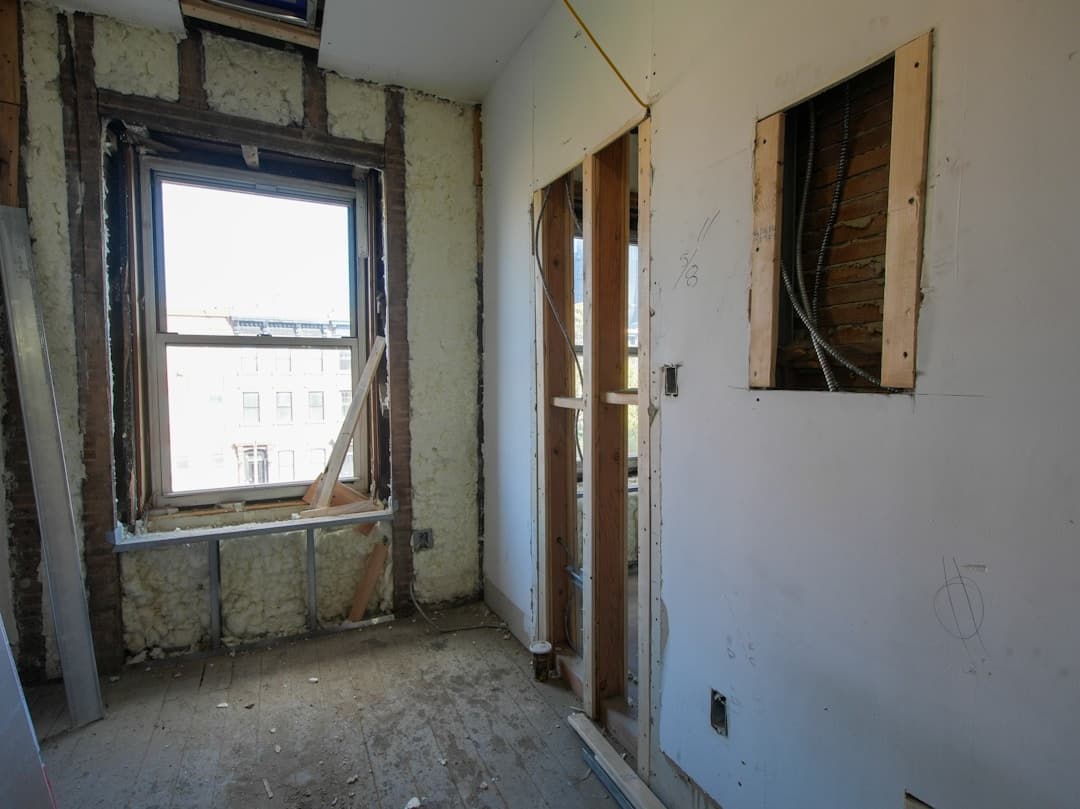
The priority is removing objections: old services, poor cooling, weak windows, damp, unclear layouts or missing documentation. These points often matter more than eye-catching decoration.
When the renovation affects works, activity, community rules or efficiency, estimating materials is not enough. You need to review safety coordination, certificates, technical visits and trade schedules before accepting an offer.
What to renovate first
You do not need to model everything: start with critical areas, services, measurements and maintenance deliverables. A good strategy starts with what protects value: electrical safety, plumbing, envelope, ventilation, HVAC, accessibility and kitchens or bathrooms that no longer meet expectations.
Finishes come afterwards. For foreign buyers, rental or resale, a neutral and resistant base usually works better than a highly personal renovation. In premium homes, execution, views, quietness and documentation matter as much as material choice.
If the budget is limited, compare electrical installation against the full scope first. Phased renovation makes sense if each phase leaves the home usable, safe and easy to price in the next visit.
A practical rule is to separate invisible works, comfort works and commercial works. Invisible works avoid problems, comfort works improve daily use and commercial works help photograph, explain and defend the price. When all three work together, the SEO content also becomes more useful for someone trying to make a real decision.
Practical checklist
Use this order to turn the trend into a measurable renovation decision.
- 1Model critical areasScope
Bathrooms, kitchen, HVAC and panels often justify the effort.
- 2Create a libraryProcess
Repeatable solutions speed up quotes and work.
- 3Deliver useful plansMaintenance
The client needs to know where valves, runs and services are.
- 4Connect changesControl
Every change should update price, timeline and drawing.

Frequently asked questions
Does BIM work for small renovations?
Is it expensive to start?
What does the client gain?


You may also like
Show All Articles
AI for a renovation brief: better questions before the first site visit
Prepare a renovation brief with AI: organise goals, photos and questions, separate preferences from requirements and avoid inventing a project budget.
Subscribe to our newsletter
And get a weekly digest of projects, bidding tips, and key platform updates straight to your inbox.

Measuring AI savings in a renovation business: a pilot using your own evidence
Measure real AI savings in a renovation business: compare time, corrections and pilot costs before expanding tasks or subscribing to additional tools.

Translating renovation quotes with AI: Spanish and English without scope changes
Translate renovation quotes with AI for overseas clients: preserve prices, units and exclusions and review technical terms in Spanish and English.
AI for renovation variations: extras, versions and client approval
Record renovation variations with AI without automatically approving extras: identify requests, compare versions and confirm scope, cost and time with clients.

From voice notes to AI-assisted site diaries: records you can actually check
Turn voice notes into AI-assisted site diaries: separate facts, tasks and questions, verify names and quantities, and retain the site manager's approval.
AI for a renovation brief: better questions before the first site visit
Prepare a renovation brief with AI: organise goals, photos and questions, separate preferences from requirements and avoid inventing a project budget.
Measuring AI savings in a renovation business: a pilot using your own evidence
Measure real AI savings in a renovation business: compare time, corrections and pilot costs before expanding tasks or subscribing to additional tools.
Translating renovation quotes with AI: Spanish and English without scope changes
Translate renovation quotes with AI for overseas clients: preserve prices, units and exclusions and review technical terms in Spanish and English.
Subscribe to our newsletter
And get a weekly digest of projects, bidding tips, and key platform updates straight to your inbox.
AI for renovation variations: extras, versions and client approval
Record renovation variations with AI without automatically approving extras: identify requests, compare versions and confirm scope, cost and time with clients.
From voice notes to AI-assisted site diaries: records you can actually check
Turn voice notes into AI-assisted site diaries: separate facts, tasks and questions, verify names and quantities, and retain the site manager's approval.
AI for a renovation brief: better questions before the first site visit
Prepare a renovation brief with AI: organise goals, photos and questions, separate preferences from requirements and avoid inventing a project budget.
Measuring AI savings in a renovation business: a pilot using your own evidence
Measure real AI savings in a renovation business: compare time, corrections and pilot costs before expanding tasks or subscribing to additional tools.
Subscribe to our newsletter
And get a weekly digest of projects, bidding tips, and key platform updates straight to your inbox.
Translating renovation quotes with AI: Spanish and English without scope changes
Translate renovation quotes with AI for overseas clients: preserve prices, units and exclusions and review technical terms in Spanish and English.
AI for renovation variations: extras, versions and client approval
Record renovation variations with AI without automatically approving extras: identify requests, compare versions and confirm scope, cost and time with clients.
From voice notes to AI-assisted site diaries: records you can actually check
Turn voice notes into AI-assisted site diaries: separate facts, tasks and questions, verify names and quantities, and retain the site manager's approval.